
Sleep Difficulties & Insomnia Treatment in Cairns & Online
Quality sleep is essential for both physical and mental health. Yet, many Australians experience insomnia, disrupted sleep, narcolepsy, or excessive sleepiness. At Cairns Beaches Psychology, our registered and clinical psychologists provide assessment and therapy to help restore healthy sleep patterns.
Whether you’re lying awake at night, waking frequently, or struggling with daytime fatigue, we can support you with evidence-based strategies delivered in person in Cairns or via secure online therapy anywhere in Australia.
What is Insomnia?
Insomnia is the most common sleep disorder, involving difficulty falling asleep, staying asleep, or waking up too early. Chronic insomnia is defined as disrupted sleep at least 3 nights per week for 3 months or longer. Symptoms include fatigue, irritability, poor concentration, and low mood.
Narcolepsy & Hypersomnia
While insomnia is about difficulty sleeping, some people struggle with excessive daytime sleepiness. Narcolepsy is a neurological disorder where individuals fall asleep suddenly during the day. Hypersomnia involves excessive sleepiness or long sleep durations. These conditions can be disruptive to work, study, and safety — particularly when driving or operating machinery.
Causes of Sleep Difficulties
- Psychological factors: stress, anxiety, depression, trauma.
- Biological factors: circadian rhythm disorders, medical illness, genetics.
- Lifestyle factors: caffeine, alcohol, irregular schedules, screen use.
- Environmental factors: noise, light, uncomfortable bedding.
- Medication side effects: antidepressants, steroids, stimulants.
Impact of Poor Sleep
Sleep difficulties are not just an inconvenience. They are linked to reduced work performance, relationship stress, higher risk of accidents, obesity, diabetes, cardiovascular disease, and mental health disorders such as depression and anxiety.
Evidence-Based Treatments
- Cognitive Behavioural Therapy for Insomnia (CBT-I) — the gold standard treatment.
- Sleep Hygiene Training — improving routines and environment.
- Relaxation & Mindfulness — calming techniques to reduce pre-sleep arousal.
- Chronotherapy — adjusting circadian rhythm through light and scheduling.
- Stress & Trauma Therapy — addressing underlying psychological causes.
Research & Theories
Research suggests that insomnia often involves a state of hyperarousal, where the brain remains overly active at night. Functional MRI scans show that individuals with insomnia may have heightened activity in regions linked to worry and self-monitoring.
Other theories explore the role of genetics, hormone regulation (melatonin, cortisol), and the gut-brain connection in sleep regulation. ⚠️ Some of these remain unproven but highlight the complexity of sleep science.
Interesting Statistics
- 1 in 3 Australians experience regular insomnia symptoms.
- Sleep disorders cost the Australian economy an estimated $66 billion annually (health + lost productivity).
- Narcolepsy affects around 1 in 2,000 people worldwide.
- Studies show that chronic insomnia doubles the risk of developing depression.
💤 Bizarre Fact: In the 1960s, a teenager named Randy Gardner set the world record by staying awake for 11 days straight during a science fair experiment — his cognitive abilities and mood rapidly collapsed, showing how essential sleep is for brain function.
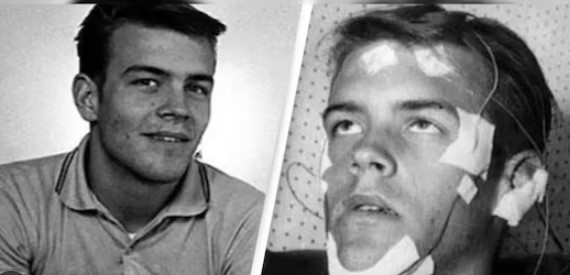 Credit X/@Morbidful
Ideal Sleep by Age
| Age Group | Recommended Hours |
|---|---|
| Infants (4–12 months) | 12–16 hrs (including naps) |
| Children (6–12 years) | 9–12 hrs |
| Teenagers (13–18 years) | 8–10 hrs |
| Adults (18–64 years) | 7–9 hrs |
| Older Adults (65+ years) | 7–8 hrs |